
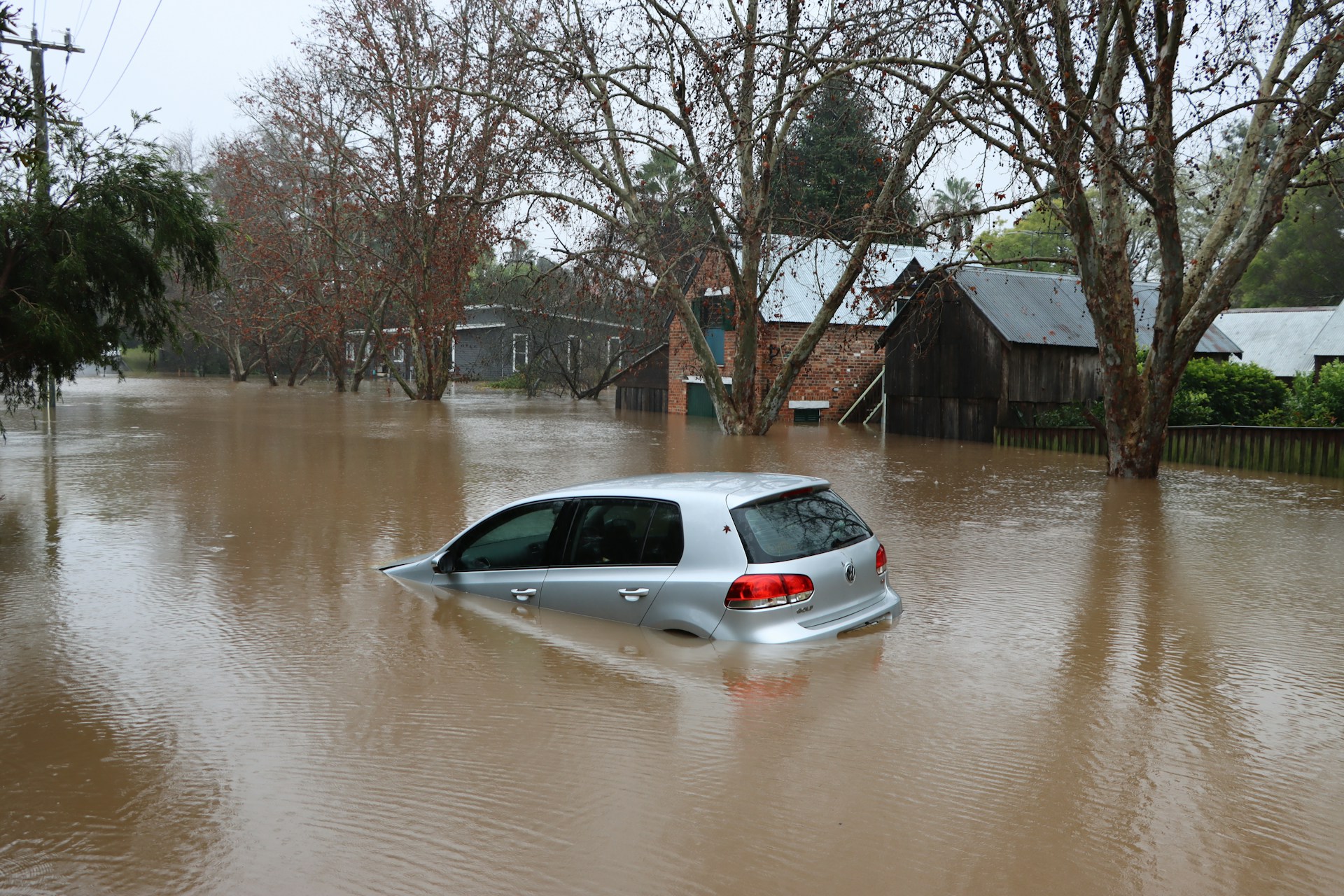
How Weather Events Impact Your Flood Insurance Coverage
Flood insurance often gets overlooked until it’s too late. Many Florida homeowners are surprised to learn that their standard homeowners insurance doesn’t cover flood damage at all. And when you live in a state that deals with hurricanes, tropical storms, and heavy rainfall year after year, that can leave a big gap in protection.
August is still hurricane season in Florida, and this time of year usually brings unpredictable weather patterns with it. Knowing how these storms affect your flood insurance can help you avoid last-minute panic and unexpected losses. Whether you’ve just moved to Florida or you’ve lived here your whole life, it’s worth understanding how storm events could change what’s covered or how much you pay.
The Basics Of Flood Insurance In Florida
Flood insurance is different from your regular property insurance. It covers damage that happens from rising water due to natural events like heavy rain, storm surge, or overflowing lakes and rivers. If water comes through the roof or broken windows, that’s usually not considered a flood. Those kinds of issues might be covered by a separate part of your policy. But if water rises from the ground and causes damage, flood insurance steps in.
In Florida, flood insurance can be purchased through the National Flood Insurance Program (NFIP) or from private insurers offering more customized plans. It’s not required by state law unless you have a mortgage from a federally regulated lender and live in a high-risk flood zone. In that case, your lender will usually require coverage for the life of the loan.
Here are a few key things flood insurance generally does and doesn’t cover:
– Covers: structural damage caused by flooding, including flooring, walls, and major systems like plumbing and electric
– Covers: appliances and personal belongings affected by floodwater, depending on your level of coverage
– Doesn’t cover: damage from moisture or mildew that could’ve been avoided
– Doesn’t cover: living costs like hotels or meal expenses if you’re displaced
Flood zones also play a big part in determining if coverage is recommended or mandatory. FEMA updates flood maps now and then, and if your property just got reassigned to a higher-risk zone, it could change your rates or lender requirements. Knowing your flood zone gives you a clearer view of your risk and how your coverage fits into your overall protection.
Keep in mind, most flood insurance plans have a 30-day waiting period before they become active. If a storm’s forecasted, you can’t get last-minute coverage and expect to be protected right away. Planning ahead is necessary, especially during the storm-heavy time from August through October.
Common Weather Events Affecting Florida Flood Insurance
Florida deals with extreme weather year-round, but hurricane season tends to raise the most concern. From June through November, residents track updates closely because even the smallest system can grow quickly. Hurricanes bring strong winds, heavy rain, and storm surges, all of which increase your chance of flooding.
It doesn’t take a full hurricane to cause problems though. Weaker tropical systems can still drop many inches of rain in a matter of hours. If neighborhood drains are clogged or the land is already soaked, flooding can happen fast. And while storm surge is mostly a coastal issue, areas near rivers or lakes also face flood risk when those bodies of water swell.
Here’s how common Florida weather events affect flood insurance:
– Hurricanes: Can bring storm surges along the coastline, often leading to major flooding. Wind damage might be covered under another policy, but rising saltwater flooding typically falls under flood insurance.
– Tropical Storms and Depressions: These systems may not hit as hard as full hurricanes but can bring steady rain for days, putting low-lying or poorly drained areas at an increased risk.
– Sudden Thunderstorms: One stalled storm overhead can flood crawl spaces, basements, and entire streets in just a short period of time. These are more frequent in late summer when ground saturation is high.
Weather history plays a role in shaping insurance options, too. Areas with repeated claims can be deemed high risk, which may lead to higher premiums or fewer coverage options. Policies tend to adjust based on flood claim trends and regional data, which makes active monitoring of your coverage important each year.
Considering how active August can be, this is a smart time to go over your policy, spot any missing coverage, and make changes before a serious storm arrives.
How Weather Events Influence Your Coverage
Flood insurance rates and availability in Florida hinge on how risky your property is considered. That risk is guided by flood maps, past claims from your area, and trends in weather behavior. If your neighborhood frequently deals with flooding or has seen recent claims, your insurer may adjust what they offer and charge you more.
FEMA controls the flood maps in Florida and updates them regularly. These updates reflect how terrain, sea levels, or past storm systems have evolved. If your property was originally in a low-risk zone but is now marked as moderate or high risk, expect your coverage rules to shift. You might be required to carry flood insurance, or you may want to boost your coverage if your area becomes more exposed.
Here are a few steps property owners in Florida can take to prepare:
– Look up your current flood zone with the latest FEMA maps for your area
– Talk with an insurance expert about how past storm events may be factored into your premium
– Take dated photos of your home and key belongings to help during the claims process
– Understand any policy waiting periods so your coverage lines up with storm season
The last thing you want is thinking you’re covered when a storm hits, only to find your plan hasn’t kicked in yet. Knowing your waiting period and adjusting coverage early in the season prevents those stressful surprises.
Preparing For Weather Events With Proper Coverage
Florida storms don’t give you much warning, but your insurance can at least be prepared ahead of time. Since August is right in the middle of hurricane season, reviewing and updating your policy now can save you from dealing with extra stress later.
Here are five simple steps to stay prepared:
1. Go over your current policy limits. Make sure your coverage includes the parts of your home and belongings you care about most.
2. Pay attention to exclusions and limitations. Ground-level spaces and basements may have different rules, so knowing what applies to your home is helpful.
3. Use your phone or camera to take new pictures of your indoor and outdoor areas. Videos also work great for fast documentation.
4. Keep digital and paper copies of your policy. Have them saved somewhere safe and accessible in case you can’t return home right away.
5. Update or create a flood safety plan for your family. Know where you’ll evacuate to and which documents you’ll need on hand.
Taking the time now to go over these details helps avoid the last-minute panic that can set in when a storm warning is issued. One example comes from a homeowner near Tampa who updated their plan in early August after a flood zone reassessment. When storms rolled in weeks later, their claim went through with less hassle since they had updated records and coverage in place.
Ways to Stay Safer Year-Round
Flooding in Florida isn’t just a seasonal concern. Afternoon rainstorms, blocked drains, or changes in rainfall trends can put your property at risk any time of year. That’s why it helps to treat your coverage like an ongoing part of your home planning.
Flood insurance is more than checking a box—it’s peace of mind. Reviewing your policy twice a year, ideally in late summer and early spring, keeps you prepared no matter how the weather shifts. Getting into the habit of knowing your risk level, staying updated with new policies, and acting before the rain starts is how you stay in control.
The better you understand how Florida weather connects to your flood insurance, the easier it is to avoid loss or disruption. Stay ahead of the next storm by staying informed.
Staying informed about Florida flood insurance helps you stay ready through every season. With unpredictable weather still ahead, having the right plan in place makes all the difference. Florida West Insurance is here to guide you through your options so you can feel confident no matter what the forecast brings. Learn more about your protection choices by exploring Florida flood insurance today.
 Previous Post
 Next Post